
News
Understanding Protein Supplements and Performance
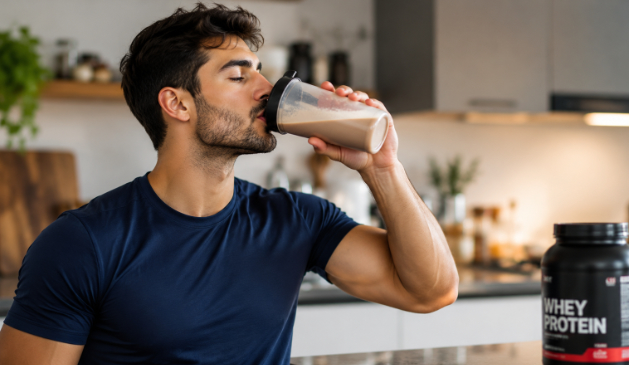
If you exercise regularly, are recovering from an injury, or want to maintain muscle as you age, you may be wondering whether a protein supplement can help you reach your goals. Protein supplements, which include powders, bars, and ready–to–drink shakes, are extremely popular among active adults. But their actual impact depends on your diet, age, training level, and goals, not just how many scoops you take.
Our physical therapists often get asked whether taking protein supplements will help increase muscle, reduce fatigue, or accelerate recovery. The short answer is: it depends. When used in the right context, protein supplements can be helpful, especially when food alone doesn't meet your needs. But they certainly aren't a magic solution for performance or recovery. Understanding how much protein your body needs at each life stage and training level will help you make smarter decisions and determine if supplementation is right for you.
Why Protein Matters for Active Individuals
Protein is a key macronutrient that your body uses for:
- Muscle repair and growth
- Immune support
- Hormone and enzyme production
- Maintaining strength with age
Unlike vitamins or minerals, protein provides calories and the building blocks (amino acids) your body needs to maintain and grow tissue. Active adults and athletes often have higher demands because they put more stress on muscles during training and recovery. Protein needs also change as we age due to changes in muscle metabolism.
Recommended Daily Protein Intake by Age and Activity Level
Below is a straightforward guide to help you estimate daily protein targets based on your age and fitness status. Keep in mind that these aren't strict rules, but evidence-based ranges used by sports nutritionists and aging experts.
Sedentary Adults
Generally require approximately
0.8 g/kg of protein per day, which equals about
55 grams daily for someone weighing 150 lbs.
Recreational Exercisers
Are typically recommended to consume between
1.0–1.2 g/kg per day, or roughly
68–82 grams daily for a 150 lb individual.
Regularly Active Individuals
May benefit from approximately
1.2–2.0 g/kg of protein daily, which is about
82–136 grams per day for someone weighing 150 lbs.
Older Adults (65+ years)
Often require around
1.0–1.6 g/kg daily, equaling approximately
68–109 grams per day for a person weighing 150 lbs.
Strength and Endurance Athletes
Commonly need between
1.4–2.0+ g/kg daily, which translates to roughly
95–136+ grams per day for someone weighing 150 lbs.
Here are a few key points to help you interpret this table:
- People who train hard or do resistance work regularly benefit from higher protein intake because protein supports muscle recovery and adaptation
- Older adults need more protein than younger adults to prevent age-related muscle decline (anabolic resistance), especially when paired with resistance exercise
How Protein Supplements Fit Into the Picture
Meeting higher protein needs through whole foods such as lean meats, dairy, eggs, beans, and soy should be your top priority. But when daily intake goals are hard to reach, protein supplements can be a simple tool to help close the gap.
Protein supplements are most effective when they complement an overall nutrition and recovery plan, which includes:
- Regular resistance and/or endurance training
- Adequate total calories and balanced nutrition
- Quality sleep and hydration
- Stress management
Supplements are not meant to replace solid nutrition habits, but they can help you consistently reach your daily protein target.
Protein Timing and Distribution
While total daily intake is most important, there is emerging evidence that how protein is distributed across meals also matters, especially for muscle protein synthesis:
- Aiming for approximately 20–40 g of protein per meal supports muscle repair and adaptation more effectively than consuming most protein at one meal
- For older adults, slightly higher per–meal targets (closer to 30–40 g) may further support muscle maintenance
Supplements can help here as well. Adding a scoop of protein powder to breakfast or a post-workout snack can boost intake without requiring a large meal.
Things to Keep in Mind
- More is not always better. Very high protein intakes (for example, >2.0–2.2 g/kg/day) do not necessarily produce greater strength gains in most people and may burden individuals with kidney issues or other health conditions.
- Quality of protein matters. Complete proteins that include all essential amino acids (such as whey, soy, eggs, and dairy) are most effective at stimulating muscle repair.
- Supplements are tools, not magic. They fill gaps but will not fix limiting factors such as poor sleep, inadequate calories, or inconsistent training.
Building a Strong Foundation for Performance and Recovery
Protein supplements are not a quick fix, but when used appropriately they can support your overall nutrition strategy, especially when dietary intake falls short. By aiming for targeted daily protein intake based on your age and activity level, you create an environment where your body can recover, adapt, and stay strong.
If you're struggling with slow progress, fatigue, or muscle loss despite hard training, it may be worth examining your protein intake and overall nutrition habits. Our physical therapists can help evaluate your training, diet, and recovery to determine what changes will help you reach your goals.
Contact our clinic today to schedule an evaluation and take the next step toward optimizing your recovery and performance.
References and Further Reading
May 19, 2026
Disclaimer:
The information in the articles, posts, and newsfeed is intended for informational and educational purposes only and in no way should be taken to be the provision or practice of physical therapy, medical, or professional healthcare advice or services. The information should not be considered complete or exhaustive and should not be used for diagnostic or treatment purposes without first consulting with your physical therapist, occupational therapist, physician or other healthcare provider. The owners of this website accept no responsibility for the misuse of information contained within this website.
